A strong classroom library is one of the most powerful tools you can give your students. It supports independent reading, encourages curiosity, and creates a space where students can see themselves as readers. But building that library doesn’t have to mean spending thousands of dollars or relying on one big purchase order.
With a little strategy and creativity, you can build a diverse, high-quality classroom library on a very realistic budget. Here’s how experienced teachers stretch their dollars while still creating a library students actually want to use.
Before you buy anything, take inventory of what you already have and what your students actually need.
Ask yourself:
- What grade levels or reading levels am I missing?
- Do I have enough nonfiction?
- Are there diverse voices and perspectives represented?
- Are there enough high-interest, low-reading-level books?
A simple spreadsheet or even a handwritten list will keep you from wasting money on duplicates or books that won’t get used.
Thrift Stores: The Hidden Goldmine
Thrift stores are one of the most reliable sources for inexpensive children’s books. Many sell paperbacks for $0.50–$1 and hardcovers for a couple of dollars.
Pro tips:
- Visit often, as the inventory changes constantly. Set up a schedule and follow it.
- Check condition carefully (no missing pages, excessive writing, or smells).
- Look for popular series such as Magic Tree House, Junie B. Jones, I Survived, Dog Man, and National Geographic Kids.
Even if only one out of every five books is usable, the cost per book is still far lower than retail.

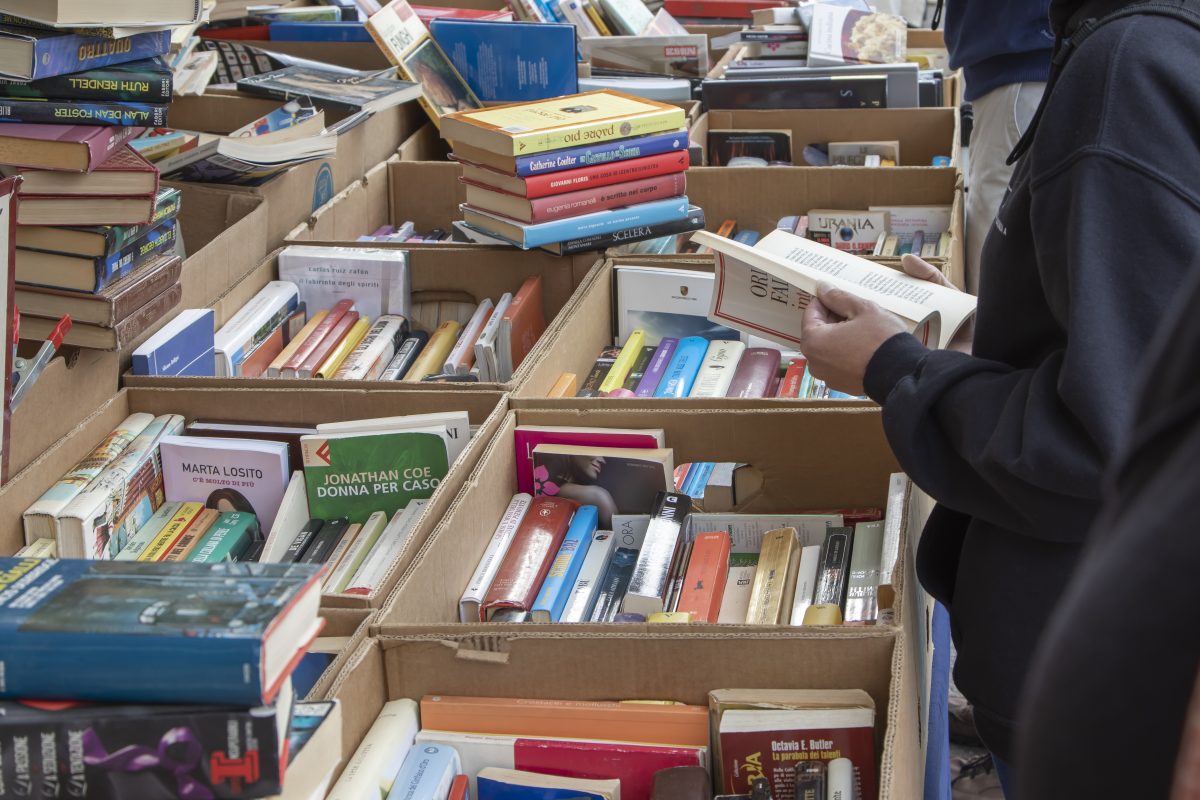
Garage Sales and Facebook Marketplace
Garage sales are especially good for gently used picture books and early readers. Parents often sell entire boxes for a few dollars.
Search terms that work well online:
- “teacher books”
- “children’s book lot”
- “classroom library”
You can often negotiate bulk pricing and walk away with 50+ books for under $20.
Library Book Sales (One of the Best Deals Anywhere)
Public libraries regularly sell donated or retired books to raise funds. These sales are gold.
Typical pricing:
- Paperbacks: $0.25–$1
- Hardcovers: $1–$2
- Bag sales: Fill a grocery bag for $5–$10
These books are usually well cared for and already age-appropriate.
Scholastic, Book Fairs, and Reward Points
Scholastic isn’t “cheap,” but you can make it work for you if you are strategic.
Use:
- Reward points from student orders.
- Bonus catalogs for free books.
- Classroom wish lists that parents can support.
Many teachers build a large portion of their library without spending their own money, just by reinvesting reward points.
DonorsChoose and Classroom Grants
If you haven’t used DonorsChoose, it’s one of the most effective ways to build a library at no personal cost.
Project ideas that get funded quickly:
- “Diverse Classroom Library for 3rd Grade”
- “High-Interest Nonfiction for Reluctant Readers”
- “Graphic Novels for Middle School Readers”
Also check:
- PTA mini-grants
- Education foundations
- Community business sponsorships
Use School Specialty for Core, High-Use Sets
Secondhand books are great for volume, but every library needs reliable, durable core collections, and this is where School Specialty is especially useful.
Leveled Reading Sets
We offer leveled book sets that make guided reading and small-group instruction easier. These are ideal for:
- Building structured reading bins
- Supporting intervention groups
- Filling specific reading-level gaps
Classroom Book Collections
Our themed collections (social-emotional learning, STEM, diversity, bilingual books) are curated and aligned to classroom needs, saving you hours of research.
Book Storage and Organization
A great library only works if students can use it easily. Take advantage of our:
This is often the best place to spend limited school funds because these materials get used daily for years.
Ask for Book Donations (It Works More Than You Think)
Parents, retiring teachers, and even community members often have shelves of unused children’s books.
Try:
- A short note in your classroom newsletter
- A social media post
- A sign-up during back-to-school night
You can request:
- Gently used children’s books
- Series books
- Nonfiction
Just be clear that donations should be school-appropriate and in good condition.
Rotate Instead of Replacing
You don’t need 500 books in the room at once.
Store part of your library in bins or cabinets and rotate monthly:
- Keeps interest high
- Makes your library feel “new” all year
- Reduces wear and tear
This strategy alone can double the life of your collection.
Focus on What Kids Actually Read
A budget library succeeds when students actually use it.
High-return categories:
- Graphic novels
- Joke books
- Sports nonfiction
- Animal books
- Survival and adventure stories
A well-loved book is more valuable than a perfect one.
The Big Picture: Think Like a Curator, Not a Shopper
Building a classroom library isn’t about buying everything at once. It’s about slowly curating a collection that fits your students, your curriculum, and your teaching style.
Mix:
- Secondhand finds for volume
- School Specialty collections for structure
- Donations and grants for growth
Over time, you’ll build a library that feels rich, intentional, and fully yours—without draining your wallet.
And most importantly, you’ll build a space where students don’t just learn to read… they actually want to.
Once you’ve built it, check out our ideas on how to keep your classroom library organized.