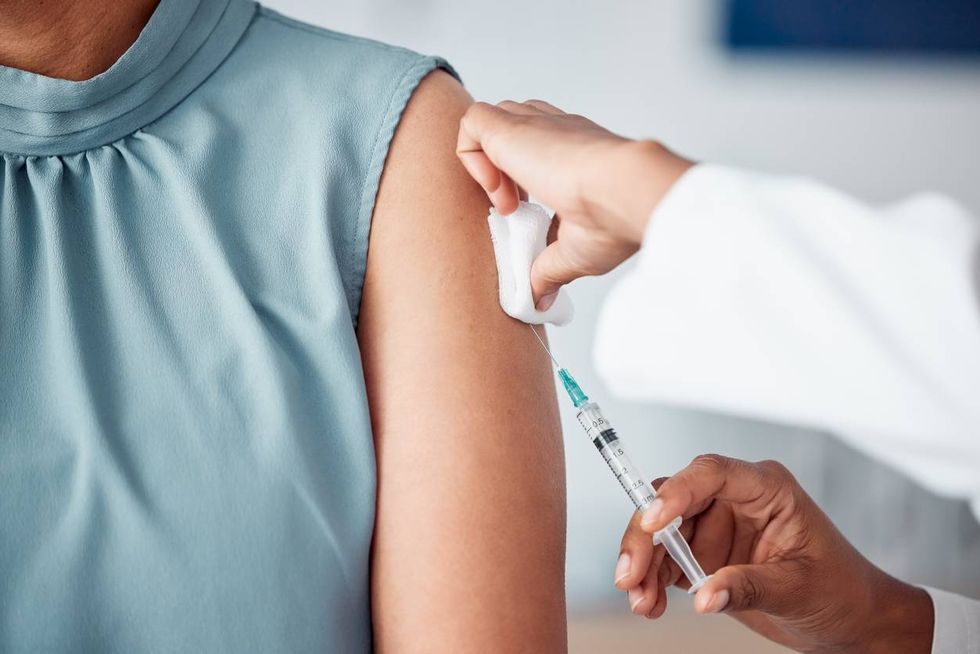

I was seven months pregnant in 1990 when I came down with a raging case of chickenpox. We were terrified we’d lose our son. In the early stages of pregnancy, chickenpox, also known as the varicella virus, can cause scarring, fetal organ damage, and developmental and learning disabilities. In late pregnancy, it can be life threatening for both mother and baby.
At the time, there was no vaccine in the U.S. — and zero treatments. I had no choice but to hunker down and hope for the best. My obstetrician did home visits to keep me, and the virus, out of his office. For three weeks, I and my pregnant belly writhed in agony, fever, chills and constant itching that kept me up all night. My husband and I held our breath and hoped our son wouldn’t come early. Instead, he arrived two weeks late, unscathed. We got lucky. And I wasn’t pressing our luck.
As soon as the chickenpox vaccine hit our pediatrician’s office in 1995, we were first in line. My son got his vaccine, and so did his sisters when they arrived several years later. I wanted to be sure none of them would run the risk of developing that potentially dangerous virus as adults, like I did.
What are vaccines?
Vaccines contain a weakened or inactive form of a virus, like chickenpox, and work by training our immune systems to recognize the virus and make antibodies to fight it. It’s like an instruction manual for our immune system. When enough people are immune through vaccination, herd immunity makes it harder to spread the illness and some eventually fade entirely. That’s why we don’t see smallpox or babies with polio in iron lungs.
Some recent changes in vaccine recommendations, however, are casting doubt and causing confusion for some people, and some people are putting vaccines on an indefinite pause as a result. This is causing diseases that were nearly erased, like measles for instance, to erupt again. With outbreaks increasing, I got the MMR (measles, mumps and rubella) booster last year. I had one of the first MMR vaccines way back in 1971. Measles are the last thing I need at age 63, especially as a septic shock survivor. I messaged my healthcare provider (HCP), and they ordered a blood test to check my antibodies, which were indeed low. If you’re unsure about your vaccine status or whether you need certain vaccines or not, talking to your HCP is a good place to start.
Which vaccines are you eligible for?
Pharmacist Alisha Reed, HealthyWomen Women’s Health Advisory Council member and founder of Your Self Care Prescription, says to make a list of questions to bring to your appointment. “Start by asking your healthcare provider where you, or your children, are with your current vaccines, and the immunizations you already received,” Reed advised. Your HCP can typically see this in your medical record.
Questions to Ask your HCP About Vaccines
Recommended Vaccines
- Which vaccines are recommended for me (or my loved one)?
- Why is this vaccine important for me to have?
- Are any of the recommended vaccines optional, or are they all necessary?
- How often do I need to receive these vaccines?
- Is there a certain time of year that I should get the vaccines?
- Can I get more than one at the same time?
Safety and Side Effects
- Are there any risks to getting the vaccines recommended for me?
- What are the most common side effects from each vaccine?
- Are there any serious reactions I should be aware of?
Medical History and Current Medications
- Are there vaccines that I should consider because of my medical history or specific conditions?
- Are there vaccines that I should avoid because of my medical history or specific conditions?
- Are there any concerns that any of the medicines I’m taking will interact with the vaccines?
Questions can include asking about your eligibility for certain vaccines. This will vary depending on your age, risk factors and medical conditions. People with lung disease, like COPD, for example, should ask about vaccines that will protect them against diseases that target the lungs, like Covid-19, flu or RSV. There are certain vaccines recommended for pregnant people and for infants and small children.
Travelers also need a host of vaccines to visit other countries. The World Health Organization (WHO) provides lots of information on vaccines for travel. The American College of Obstetricians and Gynecologists (ACOG), the American Academy of Pediatrics (AAP)and the American Medical Association (AMA) also provide reliable information on vaccines in general to guide the list you take to your provider. And if you’re wondering if one of your old vaccines is still up to snuff, ask about having your antibodies checked, like I did for measles.
Medication interactions and vaccine spacing
Another good question is whether certain medications will interact with or mute the vaccine’s effectiveness. “Some people are unable to receive vaccines while undergoing chemotherapy or receiving monoclonal antibodies,” Reed said. Some have sensitivities or reactions to preservatives in vaccines. Ask about the ingredients. These are all good questions and should definitely make your list.
Ask your HCP which vaccines are the most important for you or your family member, and if there is any wiggle room for delaying or forgoing certain vaccines. Ask how often you should receive updates. Find out if you can receive more than one vaccine at a time, or if you need to space them out. “Some people receive their flu and Covid-19 shot together,” Reed said.
’Tis the season for vaccines
Ask your HCP what time of year is best to get your vaccines. “Typically, respiratory illnesses start in the fall and won’t see a decline until we’re coming out of winter,” Reed explained. But not always. While winter is definitely peak season, some illnesses occur year-round. My husband and I receive our updated flu and Covid-19 shots every September. And we had both received the two versions of pneumonia vaccines a few years prior. When I developed pneumonia in August 2023, it was a real bummer, but I recovered at home instead of winding up hospitalized like I did when I got pneumonia back in April 2001 before I was vaccinated.
Timing vaccines right
Reed advises asking your HCP if you should schedule a vaccine on a certain day of the week in case you have a reaction. My husband and I were overdue for our shingles vaccines. I was waiting that one out because I was afraid it might kick my butt. I had shingles (Herpes Zoster virus), a viral infection that causes a deeply painful rash, more than a decade ago, and it was bad. It took six months to recover and left behind nerve damage. Our HCP suggested we get the vaccine on a Friday so we could take the weekend to recover if needed. My husband was fine; he cut the grass. Both the first and second dose (also scheduled for a Friday) took me out, and I spent the weekend in bed with flu-like symptoms, which resolved by Sunday afternoon. It was still better than actually having shingles.
Your HCP can go over possible side effects with you, and the Vaccine Adverse Event Reporting System (VAERS) also provides comprehensive information on vaccine side effects and adverse events. Reed advised getting the right information from real people with real credentials.
This educational resource was created with support from Moderna.
From Your Site Articles
Related Articles Around the Web