Are you concerned about your child’s diet quality? Read on for some useful suggestions.
How to build a balanced plate
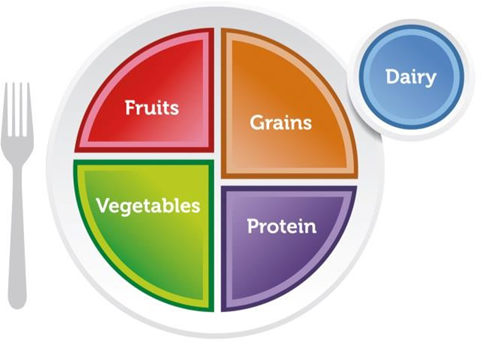
The MyPlate provides a visual representation of how to create balanced meals that include all the major food groups. As shown in the image below, half of your plate should be covered with fruits and vegetables, a quarter with grains, a quarter with protein, and include a serving of dairy. Eating appropriate portions from these food groups provides us with the necessary nutrients to live a healthy life.

Fruits and vegetables
Fruits and vegetables are important because they contain vitamins, minerals, antioxidants, and phytochemicals that carry out countless functions in the body. For example, tomatoes contain lycopene, an antioxidant that keeps us from getting sick, and bananas contain potassium, which prevents cramps when engaging in physical activity.
On average, kids don’t consume enough fruit and vegetables. That means they are missing out on important nutrients. To increase their intake, try pairing fruit and vegetables with a protein to make them more appetizing such as celery with peanut butter and raisins on top (ants on a log).


Grains
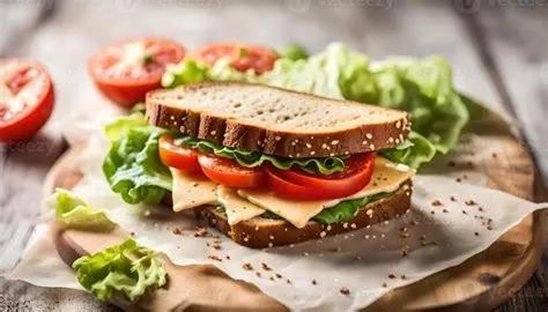
Grains are vital because they provide energy that is needed to do activities such as going to school, playing sports, and spending time with friends and family. It is also recommended that half of our grains be whole grains, such as a whole grain tortilla, since they contain more nutrients like fiber than refined grains. Sometimes kids can taste the difference between white and wheat options and don’t like the taste. Try adding whole grains to their diet by making their favorite sandwich with whole grain bread or whole grain pasta with a sauce they enjoy.

Protein
Protein is an essential part of our diet because it helps us build, maintain, and grow our muscles. It is important to prioritize lean protein options such as chicken because they contain less saturated fat than protein options such as beef. Plant-based proteins have the additional benefit of fiber, which aids in digestion. Some examples of plant-based proteins are black beans, lentils, tofu, and quinoa. Since there are so many protein options, allow your child to try a variety of both animal and plant-based options to support their growth and prevent constipation.
Dairy
It is recommended to consume a serving of dairy with each meal because it contains calcium, which is a mineral that supports our teeth and bone health. More than half of children don’t consume the recommended amount of dairy, which can negatively impact their growth.
Dairy can be found in the form of milk, cheese, and yogurt. Milk can be served at breakfast with cereal, at lunch as shredded cheese in a quesadilla, and at dinner as yogurt for dipping chicken tenders and vegetables. There are also dairy alternatives such as soy, almond, and oat-based products that are fortified with calcium for those with a lactose intolerance or dairy allergy.
Key takeaways
- MyPlate recommendations: ½ fruit and vegetables, ¼ grains, ¼ protein, 1 serving dairy or calcium fortified product
- Encourage children to eat from every food group at all meals
- Provide a variety of options from each food group to keep kids excited and balanced!
References
USDA. Dietary Guidelines for Americans 2020 -2025 Make Every Bite Count with the Dietary Guidelines. 2020.