Hello my friends,
Listen to this artcle while scrolling down-
It’s your friendly neighbhourhood doctor with yet another in article. In this article, I will discuss why many of us Indians [this includes me too] fail in our weight loss strategy and what we can do about it.
As this article is quite extensive, I would like to break it into 2 parts.
Part 1 includes the myths surrounding what we Indians think about weight loss and some solutions to them.
Part 2 includes much more myths the solutions to get over this myths. So, if you are ready, let’s begin with the Myths.
Most of us Indians struggle with weight loss despite trying countless diets and workout plans. The problem isn’t lack of effort – it’s the widespread misconceptions that sabotage results before they even begin.
So, what are we going to learn here?
This guide is for Indians who feel stuck in their weight loss journey, constantly battling the scale despite making what they think are healthy choices. You’re tired of following advice that doesn’t work with your lifestyle and culture.
Here’s the truth: 90% of weight loss mistakes Indians make stem from following outdated diet myths that ignore our unique food culture. We’ll uncover the most damaging Indian diet myths weight loss enthusiasts believe, from thinking chapati is always better than rice to avoiding all fats in traditional cooking.
You’ll also discover how common exercise myths India perpetuates are actually slowing down your progress – like believing you must do cardio for hours or that strength training will make women “bulky.”
Finally, we’ll tackle the portion control mistakes that happen when we apply Western serving sizes to Indian food weight management, plus the cultural habits that seem healthy but quietly block sustainable weight loss India really needs.
Stop spinning your wheels with advice that doesn’t fit your life. Let’s fix these weight loss misconceptions once and for all. As we proceed ahead, you will learn it all and this will help you get better results in your weight loss journey.
Common Diet Myths That Sabotage Weight Loss Results

Believing All Carbs Are Bad for Weight Loss
Many Indians have completely demonized carbohydrates, thinking rice, roti, and dal are their enemies. This is one of the biggest Indian diet myths weight loss enthusiasts fall for. Your grandmother who lived on rice and dal her whole life wasn’t wrong about everything.
Complex carbohydrates from whole grains, legumes, and vegetables actually fuel your metabolism and keep you satisfied longer. When you cut out all carbs, your body starts breaking down muscle tissue for energy, which slows down your metabolism significantly.
| Good Carbs | Bad Carbs |
|---|---|
| Brown rice, quinoa | White bread, pastries |
| Whole wheat roti | Refined flour products |
| Oats, daliya | Sugary drinks |
| Legumes, lentils | Processed snacks |
The key is choosing the right carbs and timing them properly. Having complex carbs before workouts gives you energy, while eating them post-workout helps muscle recovery.
Thinking Skipping Meals Accelerates Fat Burning
Skipping breakfast or dinner seems logical – fewer calories should equal faster weight loss, right? Wrong. This weight loss mistake Indians commonly make actually backfires spectacularly.
When you skip meals, your blood sugar drops, stress hormones spike, and your body enters survival mode. Your metabolism slows down to conserve energy, making fat loss nearly impossible. Plus, you’ll likely overeat at your next meal because you’re starving.
Suggested read- Here’s What Happens to You Body When You Skip Meals
Your body needs consistent fuel every 3-4 hours to maintain steady blood sugar and keep your metabolism humming. Three balanced meals with two small snacks work better than meal skipping.
Assuming Low-Fat Foods Automatically Promote Weight Loss
The low-fat craze has created some serious Indian weight loss misconceptions. People load up on low-fat yogurt, skim milk, and fat-free snacks thinking they’re making healthy choices.
Here’s what food companies don’t tell you – when they remove fat, they usually add sugar, artificial flavors, and preservatives to make food taste good. A low-fat muffin often has more calories than a regular one because of added sugar.
Your body needs healthy fats for hormone production, nutrient absorption, and feeling satisfied. Coconut oil, ghee in moderation, nuts, and seeds are essential for sustainable weight loss India style.
Fat-free doesn’t mean calorie-free, and calories still matter for weight management.
Expecting Crash Diets to Provide Sustainable Results
Those 7-day detox plans and 15-day transformation diets flooding social media promise quick fixes that appeal to impatient dieters. These extreme approaches might help you lose 5-7 kg quickly, but most of it is water weight and muscle mass.
Crash diets teach your body nothing about long-term healthy eating. The moment you return to normal eating, the weight comes back with interest. Your metabolism becomes slower than before, making future weight loss even harder.
Real fat loss mistakes Indians make is expecting permanent results from temporary changes. Sustainable weight loss happens at 0.5-1 kg per week through consistent healthy habits, not dramatic restrictions.
Building habits around Indian food weight management takes time but creates lasting change that doesn’t require constant willpower or deprivation.
Cultural Food Habits That Prevent Effective Weight Management

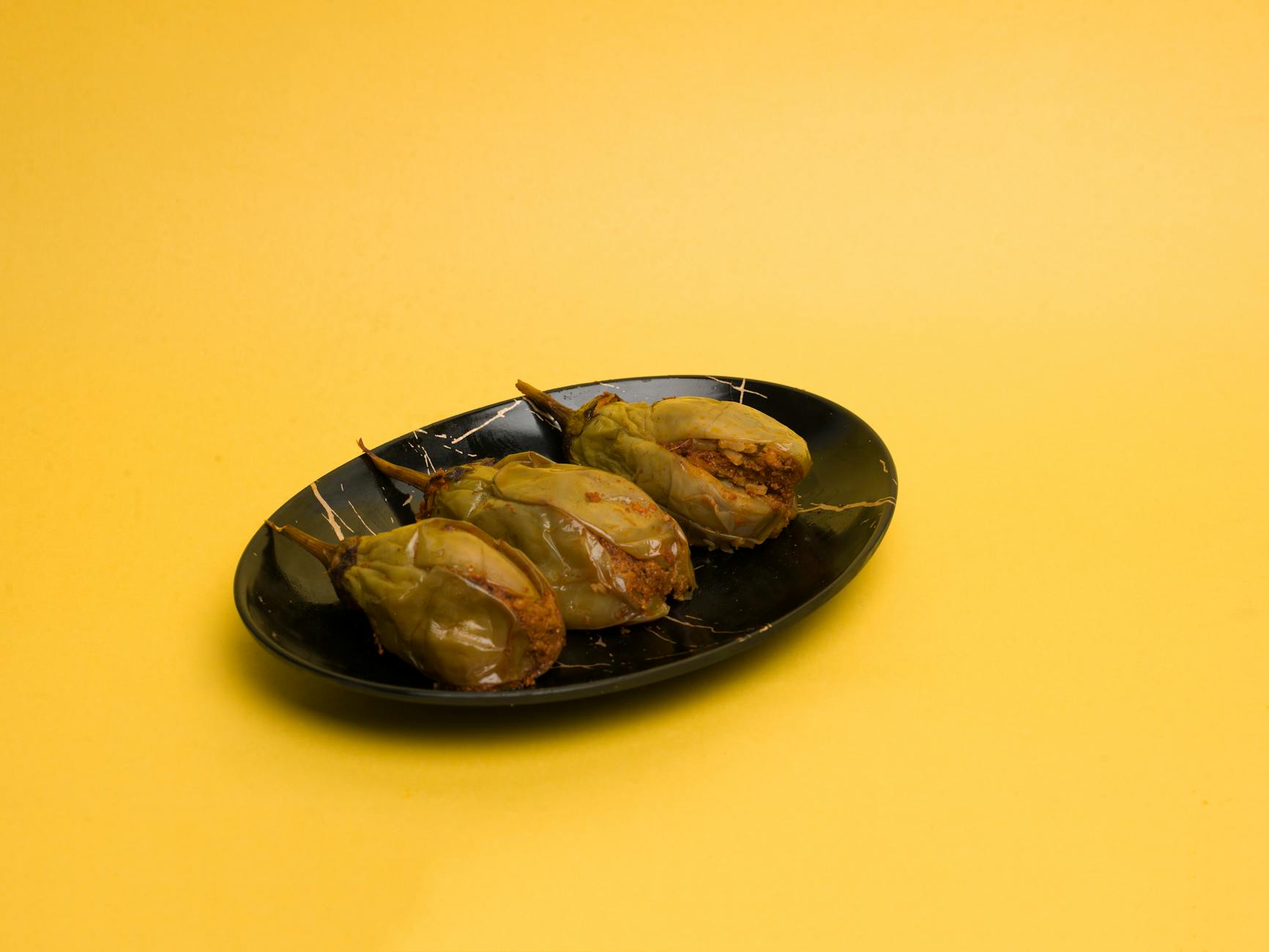
Have a look at the image above. Does it tell you something? If not, let me explain. The image shows a traditional Indian dish savoured by many- stuffed brinjals. If given a choice, how many of these stuffed brinjals would eat in any of your given meal- One? Two? or all Three?
Let me guess- most of us will go for all three- at least I do. Why? Because it tastes good. But, is figure good for your weight loss journey? Absolutely no. Read on….
Overloading Plates During Traditional Celebrations and Festivals
Indian festivals and celebrations create a perfect storm for weight loss mistakes Indians commonly make. The cultural pressure to eat everything offered becomes overwhelming during Diwali, Eid, Christmas, or family weddings. Hosts feel insulted if guests don’t try multiple dishes, while guests worry about appearing rude by declining food.
This social eating pattern destroys months of disciplined Indian food weight management efforts. A single wedding reception can pack 2,000-3,000 calories on your plate – that’s more than most people need in an entire day. The variety trap hits hardest here. You tell yourself you’ll take “just a small portion” of each dish, but fifteen small portions still add up to massive calorie overload.
Weight loss cultural habits get completely derailed because these events happen frequently. Between religious festivals, family celebrations, and social gatherings, Indians face high-calorie food pressure almost weekly. The solution isn’t avoiding celebrations – that’s unrealistic and culturally insensitive. Instead, focus on strategic choices: fill half your plate with salads and vegetables first, then add smaller portions of traditional dishes. Eat slowly and socialize between bites. Remember, you can enjoy the flavors without clearing every dish.
Using Excessive Oil and Ghee in Daily Cooking
Traditional Indian cooking methods load everyday meals with hidden calories through generous oil and ghee usage. Many home cooks pour oil until it’s visible on the surface, thinking this enhances taste and nutrition. A typical Indian household uses 3-4 tablespoons of oil per meal – that’s roughly 400 extra calories before counting the actual food.
The Indian diet myths weight loss community struggles with include believing ghee aids digestion and boosts metabolism enough to offset its calories. While ghee contains beneficial compounds, each tablespoon packs 112 calories of pure fat. When you’re adding 2-3 tablespoons to dal, vegetables, and rotis daily, you’re consuming an extra 300-400 calories just from cooking fats.
Regional cooking styles compound this problem. Punjabi, Gujarati, and Bengali cuisines traditionally use generous amounts of cooking fats. Grandmothers often judge cooking quality by oil quantity, passing these habits to younger generations.
Modern weight loss tips India experts recommend measuring oil instead of pouring freely. Use 1-2 teaspoons per serving, invest in non-stick cookware, and try steaming, roasting, or dry sautéing vegetables. Your taste buds will adjust to lighter preparations within 2-3 weeks.
Relying on Rice and Wheat as Primary Meal Components
Indian weight loss misconceptions often revolve around carbohydrate-heavy meal structures where rice or wheat forms 70-80% of the plate. Traditional Indian meals center around these staples, with vegetables and proteins playing supporting roles. This imbalance creates blood sugar spikes, increases hunger, and makes sustainable weight loss India goals nearly impossible.
White rice and refined wheat products digest rapidly, leaving you hungry within 2-3 hours. Most Indians eat large portions of these foods twice daily, consuming 300-400 grams of refined carbohydrates. That’s equivalent to eating 16-20 slices of bread daily. The problem isn’t eating rice or wheat – it’s making them the meal’s foundation instead of including them as smaller components.
| Traditional Plate | Balanced Plate |
|---|---|
| 60% Rice/Roti | 30% Rice/Roti |
| 25% Vegetables | 40% Vegetables |
| 15% Protein | 30% Protein |
Regional preferences make this worse. South Indians often eat rice three times daily, while North Indians consume multiple rotis per meal. Both patterns flood your system with quick-digesting carbs. Smart portion control Indian diet strategies involve flipping these ratios: make vegetables and protein the main components, with grains as accompaniments. Choose brown rice, millets, or whole wheat options when possible, but remember that portion size matters more than the type of grain you choose.
Exercise Misconceptions That Limit Fat Loss Progress
Believing Spot Reduction Can Target Belly Fat


Many Indians spend countless hours doing crunches and planks, convinced they’ll melt away stubborn belly fat. This weight loss misconception has created an entire industry of gadgets and routines promising quick belly fat reduction. The truth? Your body doesn’t work like a targeted fat-burning machine.
Fat loss happens systemically across your entire body, not in specific spots. When you create a caloric deficit through proper diet and exercise, your genetics determine where fat comes off first and last. For many Indians, belly fat tends to be the last area to reduce, making this myth particularly frustrating.
| Exercise Type | Fat Burning Reality |
|---|---|
| 100 crunches daily | Burns ~15-20 calories |
| 30-minute brisk walk | Burns 150-200 calories |
| Full-body strength training | Burns 200-300 calories + afterburn effect |
Instead of endless ab exercises, focus on compound movements like squats, deadlifts, and push-ups that engage multiple muscle groups and burn significantly more calories.
Focusing Only on Cardio While Ignoring Strength Training
The treadmill and elliptical sections in Indian gyms are always packed, while the weights area remains relatively empty. This exercise myth in India stems from the belief that only cardio burns fat effectively. While cardio does burn calories during exercise, strength training provides benefits that last long after your workout ends.
Muscle tissue burns more calories at rest than fat tissue. When you build lean muscle through resistance training, you increase your metabolic rate throughout the day. This means you’ll burn more calories even while sleeping or sitting at your desk.
Benefits of combining cardio and strength training:
- Higher overall calorie burn
- Improved muscle definition
- Better insulin sensitivity
- Stronger bones and joints
- Enhanced metabolic flexibility
A balanced routine might include 2-3 strength training sessions and 2-3 cardio sessions per week, rather than cardio every single day.
Thinking More Exercise Always Equals Faster Weight Loss
The “more is better” mentality drives many Indians to exercise twice daily or for hours at a time, believing this accelerates fat loss. This approach often backfires, leading to burnout, injury, or metabolic adaptation where your body becomes more efficient and burns fewer calories.
Your body needs recovery time to repair muscle tissue and replenish energy stores. Overexercising can increase cortisol levels, leading to water retention and making weight loss more difficult. It also increases appetite significantly, often causing people to eat back more calories than they burned.
Signs you’re overexercising:
- Constant fatigue and poor sleep
- Increased hunger and cravings
- Frequent injuries or joint pain
- Plateaued or reversed weight loss progress
- Mood swings and irritability
Quality trumps quantity. Three to four well-planned 45-60 minute sessions per week will deliver better results than daily marathon workouts.
Avoiding Weight Training Due to Fear of Becoming Bulky
This fear particularly affects Indian women, who worry that lifting weights will make them look masculine or overly muscular. This weight loss mistake prevents them from accessing one of the most effective tools for body transformation.
Building significant muscle mass requires specific conditions: progressive overload over years, adequate protein intake (often 1.5-2g per kg body weight), and sometimes genetic predisposition. The average person following a moderate strength training routine will develop lean, toned muscle that enhances their natural physique.
Reality of strength training for most people:
- Creates lean, defined muscle tone
- Improves posture and reduces back pain
- Increases bone density
- Boosts confidence and functional strength
- Accelerates fat loss through increased metabolism
Start with bodyweight exercises, light dumbbells, or resistance bands. Focus on proper form and gradual progression rather than lifting the heaviest weights possible. Many successful weight loss transformations in India have included consistent strength training as a cornerstone of the program.
Conclusion
Here we come to an end of Part-1 of this article. We carry on with the remainder in Part-2.
Do share this artcle with people whom you care for. See you in Part 2 of this series.
Adios.
Disclosure:
Some of the links in this article are affiliate links. That means if you click and buy something, I may earn a small commission — at no extra cost to you. It’s a simple way to support this site and keep the content coming. Thanks for your support!